
Freedom of speech has long been considered one of the foundations of democratic society. As communication increasingly moves to digital platforms, governments and technology companies continue searching for ways to balance open discussion with concerns surrounding misinformation, harassment, and illegal content.
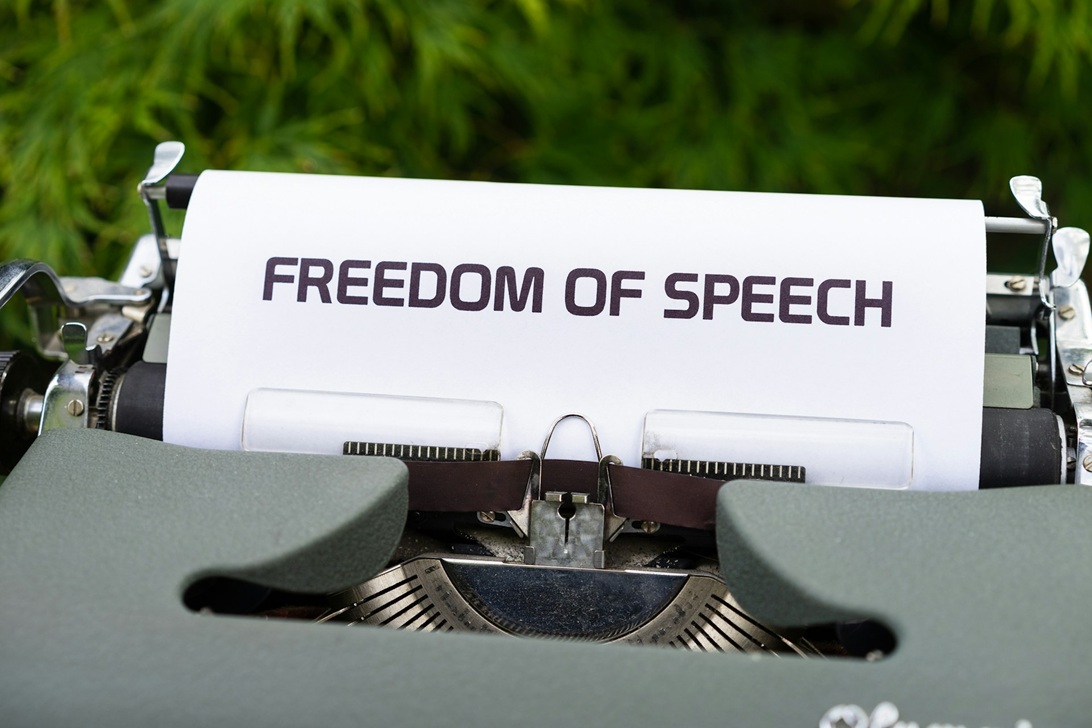
The Growing Influence of Digital Platforms
Social media has changed how political opinions spread. News, public debate, and personal viewpoints can now reach millions of people within minutes. While this has increased public participation in many ways, it has also created new challenges related to moderation and online responsibility.
Different countries approach online speech in different ways. Some governments support broad protections for expression, while others apply stricter rules regarding political content, hate speech, or public safety concerns. These differences often reflect cultural values, legal traditions, and political systems.
Balancing Free Expression and Regulation
Critics of stronger online regulation sometimes argue that excessive moderation may limit open debate or suppress unpopular opinions. Supporters, however, believe certain rules are necessary to reduce harmful behavior and maintain healthier digital environments.
Technology platforms themselves also play an important role in shaping online discussion. Decisions involving account suspensions, content visibility, and moderation policies can significantly influence what information becomes widely seen or restricted.
As digital communication continues evolving, debates surrounding freedom of speech online are likely to remain an important topic within modern democracies. Public discussion about fairness, transparency, and individual rights continues to shape how societies approach online expression in the years ahead.